
Google Maps is shedding its identity as a passive guide and stepping directly into local commerce. In an update that rolled out to U.S. users August 6th, the tech giant has expanded its conversational AI assistant, Ask Maps, to handle end-to-end transactions, allowing users to discover, build, and checkout with food orders without ever leaving the mapping application.
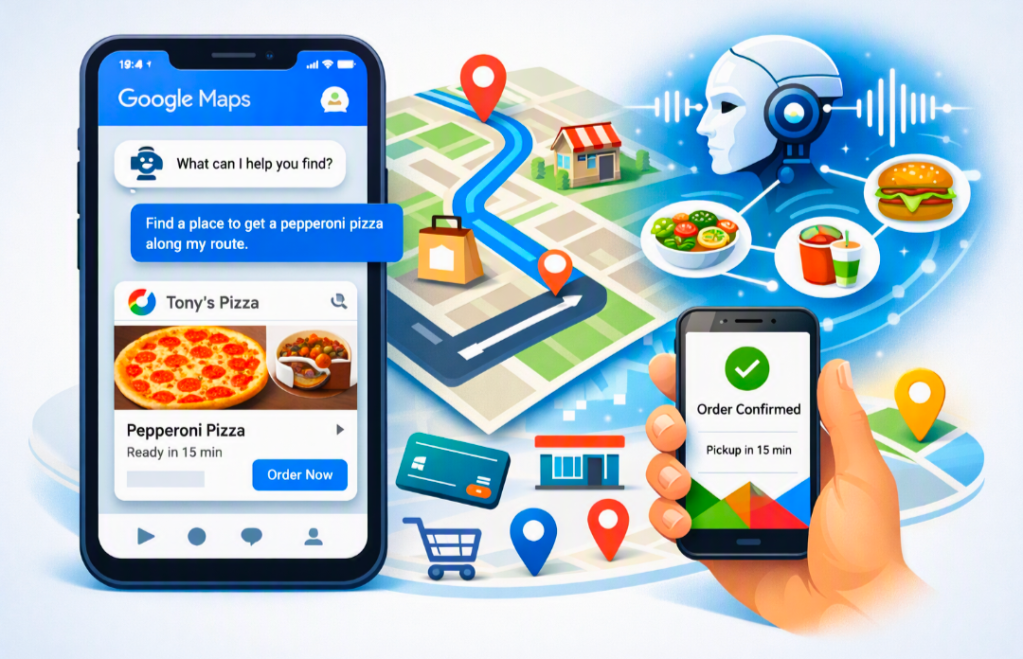
The capability represents a major shift for the navigation platform, transforming simple local searches into actionable checkouts. According to industry reports from Pure AI, the feature leverages Gemini-powered natural language processing so users can type or speak complex requests—such as asking for a specific dish to pick up along an active driving route.
Connecting Direct-to-Consumer Tech
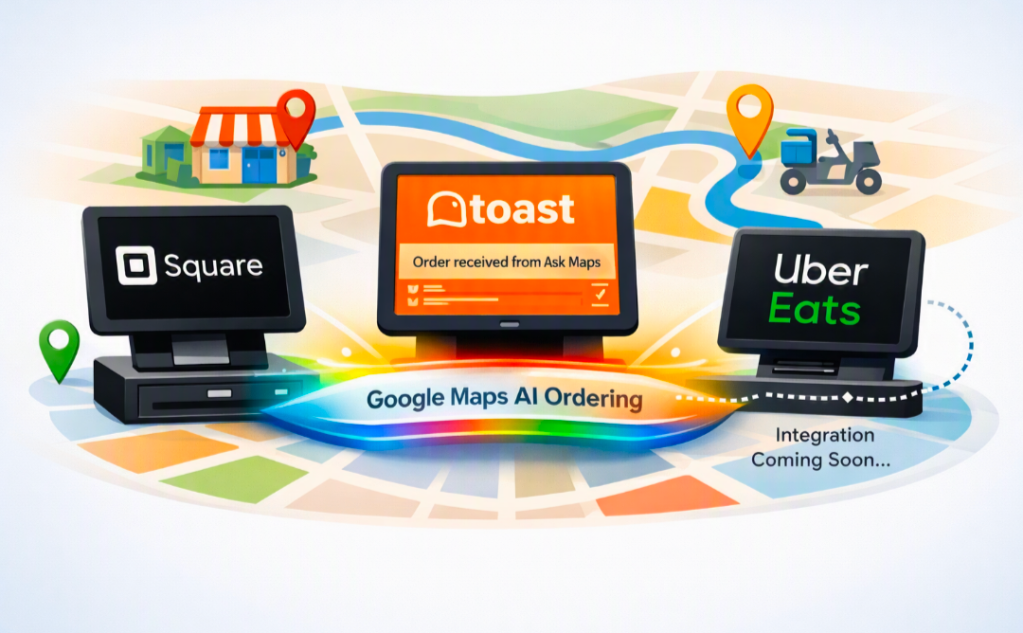
Rather than building a proprietary marketplace from scratch, Google is partnering directly with major point-of-sale infrastructure providers. As detailed by Restaurant Business, initial launch partners include Square and Toast, with an integration for Uber Eats slated to follow.
Point-of-sale platforms have lauded the move as a boon for independent operators. According to Digital Transactions, merchants utilizing Square can have their menus, operating hours, and location data sync automatically from their dashboards without incurring extra fees or requiring manual updates across multiple channels. Similarly, Toast announced that orders placed via Ask Maps will flow straight through its first-party channels, keeping customer data with the restaurant and bypassing traditional third-party aggregator commissions.
Privacy and Personalization
The rollout also introduces an optional feature called Personal Intelligence, which Tom’s Guide notes can securely pull context from a user’s Gmail or Calendar, such as flight itineraries or hotel reservations, to tailor recommendations (though the tool remains disabled by default). Beyond takeout, AI Weekly points out that the updated Ask Maps interface can compare real-time hotel prices and surface local event tickets.
As agentic AI alters how consumers interact with local businesses, analysts note that Google’s latest move places the platform squarely at the center of the local search-to-purchase funnel. For millions of daily commuters and travelers, the detour from finding a destination to buying dinner has officially gotten a lot shorter.

