
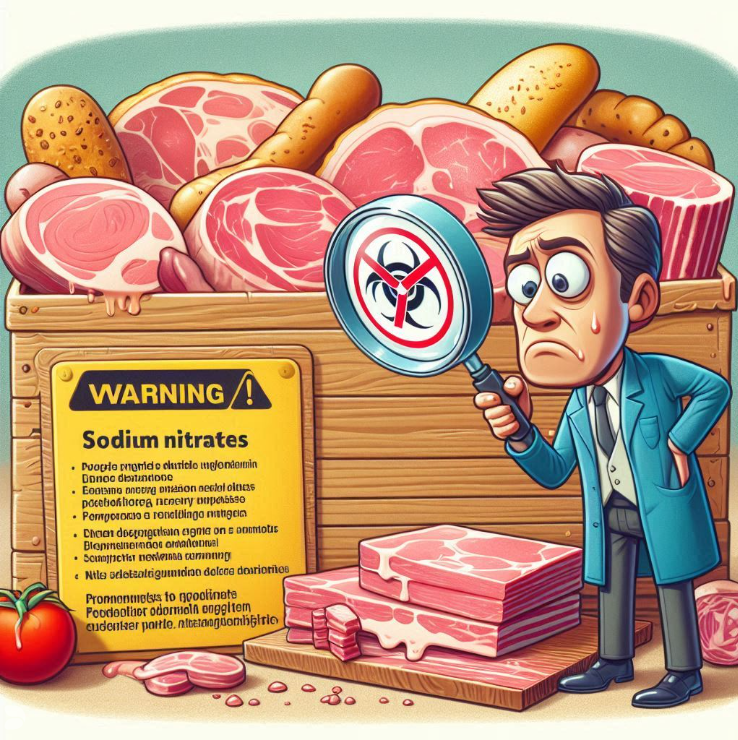
Sodium nitrates and nitrites are extensively used in the food industry as antioxidants in meats such as bacon, ham, luncheon meats, deli meat, jerky, and hotdogs. They serve an important function in maintaining the quality and safety of meat products by preventing the growth of harmful bacteria like Listeria monocytogenes and Clostridium botulinum. These bacteria can spoil meat and cause serious illnesses, particularly in at-risk populations.
However, the use of sodium nitrates is not without its risks. When meat containing sodium nitrates is cooked at high temperatures, like bacon, it can form nitrosamines, compounds that have been linked to an increased risk of cancer, particularly colorectal cancer. The World Health Organization has indicated that consuming 50 grams of processed meat daily can increase the risk of colorectal cancer by 18 percent.
Cancer isn’t the only risk. It can lead to acute health issues, Parkinson’s disease, Alzheimer’s disease, high blood pressure, and others. Excessive ingestion of sodium nitrate is also associated with an increased risk of mental impairment, abdominal pain, gastroenteritis, kidney abnormalities, and more. Thus, it is extremely important to limit the consumption of sodium nitrate. Nevertheless, its application in cured meats is completely permitted and validated by the US Food and Drug Administration (FDA) due to its valuable role in the preservation of food, especially fish and meat.
The world uses a lot of it. According to a report published by Allied Market Research, the global sodium nitrate market is expected to reach $125.1 million by 2030, growing at a CAGR of 4.5 percent from 2021 to 2030.
Global Bans on Sodium Nitrates
The potential health risks associated with sodium nitrates have led to increased scrutiny and regulatory actions worldwide. Sodium nitrates, commonly used in processed meats, have been linked to an elevated risk of cancer, particularly colorectal cancer. This has prompted several countries to implement or propose bans and restrictions on their use.
European Union
The European Union has been at the forefront of regulating sodium nitrates. New limits have been set on the use of nitrites and nitrates as food additives to protect against pathogenic bacteria while reducing exposure to carcinogenic nitrosamines. These measures aim to balance the need for food preservation with the health risks associated with these chemicals.
United Kingdom
In the United Kingdom, scientists have urged the government to ban nitrite-cured meats such as bacon and ham due to the clear risk of cancer. Research has shown that high consumption of these processed meats can lead to an increased risk of bowel cancer, prompting calls for stricter regulations.
Norway
Norway has also taken a proactive approach by restricting the use of nitrates in food products. The country’s regulations aim to minimize health risks while ensuring food safety.
Sodium Nitrates: Ready Availability and Suicide
Sodium nitrite has unfortunately become a tool for suicide due to its ready availability and lethal potential. This substance is inexpensive, widely available, and easy to use, making it a concerning choice for individuals seeking to end their lives, requiring only a few teaspoons.
Increasing Trend in Suicides
Recent studies have highlighted a troubling rise in suicides linked to sodium nitrite. For instance, a study in South Australia found a significant increase in sodium nitrite-related deaths over a 19-year period. Similarly, in Canada, there has been a notable rise in intentional ingestions and deaths from sodium nitrite poisoning. The trend appears to be driven by online forums that detail how to dose sodium nitrite for suicide, making it easily accessible to vulnerable individuals.
Regulatory Responses
In response to this emerging trend, several countries have taken steps to regulate the sale and distribution of sodium nitrite. The United Kingdom, for example, now requires suppliers to refuse “suspicious transactions” when people pay in cash or appear nervous. Online marketplaces like Amazon, Etsy, and eBay have also banned the sale of sodium nitrite.
The Unintended Consequence: Listeria Outbreaks
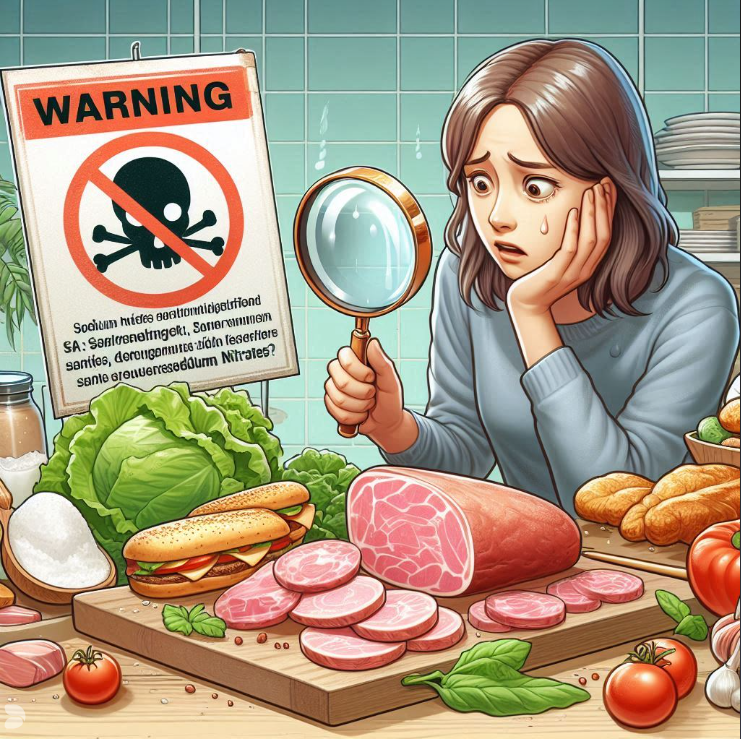
There is a delicate balance between reducing cancer risks and preventing bacterial contamination. While reducing the use of sodium nitrates in food products is a step towards better health, it has led to unintended consequences. The reduction in sodium nitrate use has been linked to an increase in Listeria outbreaks. For example, a recent multistate outbreak of Listeria infections in the United States was linked to deli meats. Seven million pounds of ready-to-eat meat and poultry products were recalled, affecting 71 products worldwide. To date, 34 people have become sick in 13 US states, including 33 hospitalizations and two deaths.
Listeriosis can cause fever, muscle aches, headache, stiff neck, confusion, loss of balance, and convulsions, sometimes preceded by diarrhea or other gastrointestinal symptoms. An invasive infection spreads beyond the gastrointestinal tract. In people who are pregnant, the infection can cause miscarriages, stillbirths, premature delivery, or life-threatening infection of the newborn. In addition, serious and sometimes fatal infections can occur in older adults and persons with weakened immune systems. Listeriosis is treated with antibiotics. Persons in the higher-risk categories who experience flu-like symptoms within two months after eating contaminated food should seek medical care and inform the healthcare provider about eating the contaminated food.
A Call for Change: Steering Away from Processed Meats
Given the risks associated with both sodium nitrates and Listeria, it may be wise to steer away from processed meats altogether. There are numerous healthy alternatives to processed meats, such as plant-based proteins, roasted vegetables, and low-sodium fish options. Consider cooking fresh whole muscle products of beef, chicken, and pork and using these as substitutes. These alternatives not only reduce the risk of cancer but also offer a variety of nutritional benefits without the preservatives.
The use of sodium nitrates in processed meats presents a complex challenge. While they play a crucial role in preventing bacterial contamination, their potential link to cancer cannot be ignored. As countries continue to navigate this issue, consumers can take proactive steps by opting for healthier alternatives and reducing their intake of processed meats.
References
- “Importance of Sodium Nitrate in the Food Industry,” New Food Magazine.
- “How Bad is Sodium Nitrate for You?” MedicineNet.
- “What Are Nitrates in Food?” BBC Future.
- “Too Much Nitrite-Cured Meat Brings Clear Risk of Cancer, Say Scientists,” The Guardian.
- “Boar’s Head Provisions Co. Expands Recall of Ready-to-Eat Meat and Poultry Products Due to Potential Listeria Contamination,” FSIS.
- “Avoid Sliced Deli Meats: Boar’s Head Packaged Meats Listeria,” Consumer Reports.
- “Nitrates Are Not Permitted in Food Products in Norway,” PubMed.
- “EU to Tighten Rules on Use of Nitrites and Nitrates as Additives,” Food Safety News.
- “Sodium Nitrate Market Expected to Reach $125.1 Million by 2030,” Allied Market Research.
- “Sodium Nitrate and Suicide,” Neuroscience News.
 Mavrik Concepts