
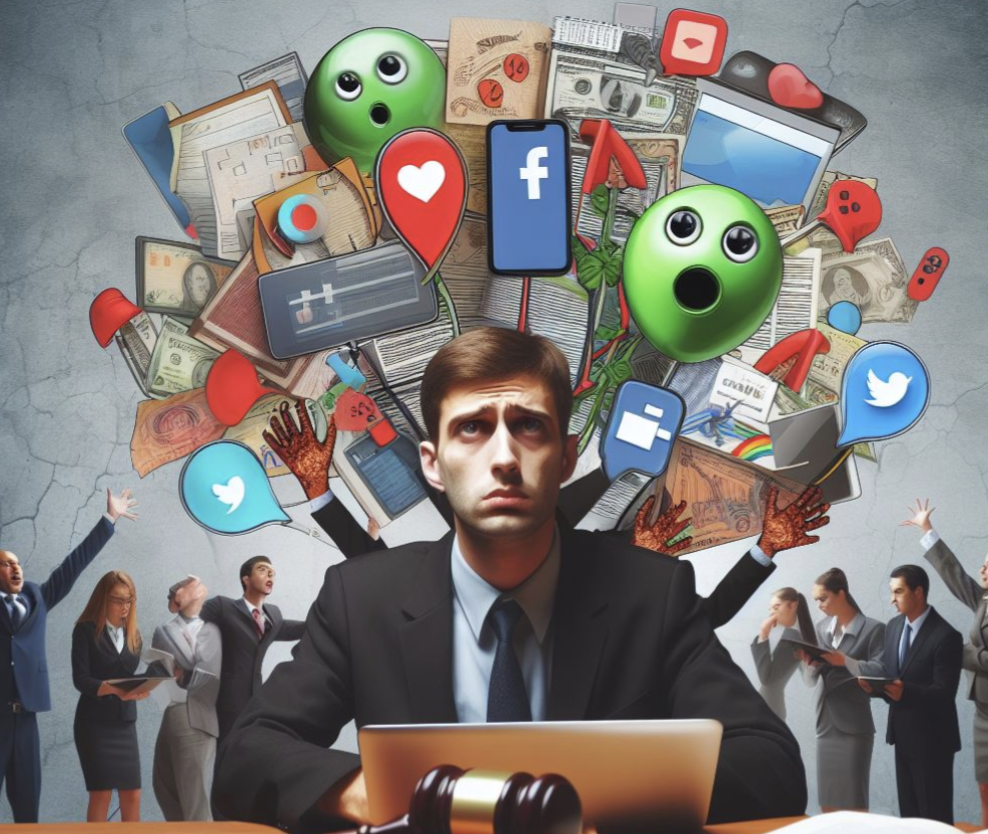
In a groundbreaking legal decision that could reshape the digital landscape, Judge Yvonne Gonzales Rogers has taken a firm stand against social media giants, marking a pivotal moment in the ongoing debate over the impact of social platforms on society’s youngest members. The case, officially known as Case #4:22-md-03047, has become a beacon for accountability, challenging the very foundations upon which these digital empires stand.
The Catalyst of Change
At the heart of this legal battle is a coalition of 34 state attorneys general, united in their concern over the insidious nature of social media addiction and its detrimental effects on children’s mental health. Their collective voice has echoed through the halls of justice, culminating in a decision that could very well set a legal precedent, influencing a multitude of future cases in this domain.
Unveiling the Digital Curtain
Judge Rogers’ decision was significantly influenced by the opaque veil shrouding the algorithms that power these social platforms. These intricate and often secretive systems play a pivotal role in curating user experiences, determining the content that floods our screens. Critics have long condemned these algorithms as manipulative, designed to ensnare users in a web of endless scrolling, fostering an environment ripe for addiction.
The Economic Ripple Effect
The second linchpin in Judge Rogers’ ruling is the compelling argument of economic harm presented by the states. The lawsuit paints a grim picture of the repercussions of social media addiction—diminished mental health leading to a cascade of societal costs, from plummeting productivity to skyrocketing healthcare expenses. This economic perspective offers a potent narrative that could galvanize further legal challenges against the titans of tech.
A Future Forged by Judicial Prudence
The implications of this legal skirmish extend far beyond the courtroom. Should the lawsuit triumph, it could compel social media companies to confront the addictive nature of their platforms, instigating a seismic shift in their design and operation. Moreover, it could unleash a deluge of similar legal actions, each one contributing to a reimagined digital world where user well-being is placed at the forefront.
As we stand at this crossroads, the question looms large: Will this case be the catalyst that ushers in a new era of digital responsibility, or will it be a mere footnote in the annals of tech industry battles? Only time will tell, but one thing is certain—the eyes of the world are watching, and the future of social media hangs in the balance
.
 Mavrik Concepts