
In the ever-evolving landscape of artificial intelligence (AI), Apple has recently unveiled a groundbreaking development: OpenELM (Open-source Efficient Language Models). This suite of models represents a significant shift in how AI processes language, with a focus on running entirely on individual devices. Let’s dive into the details of this exciting advancement.
1. What Is OpenELM?
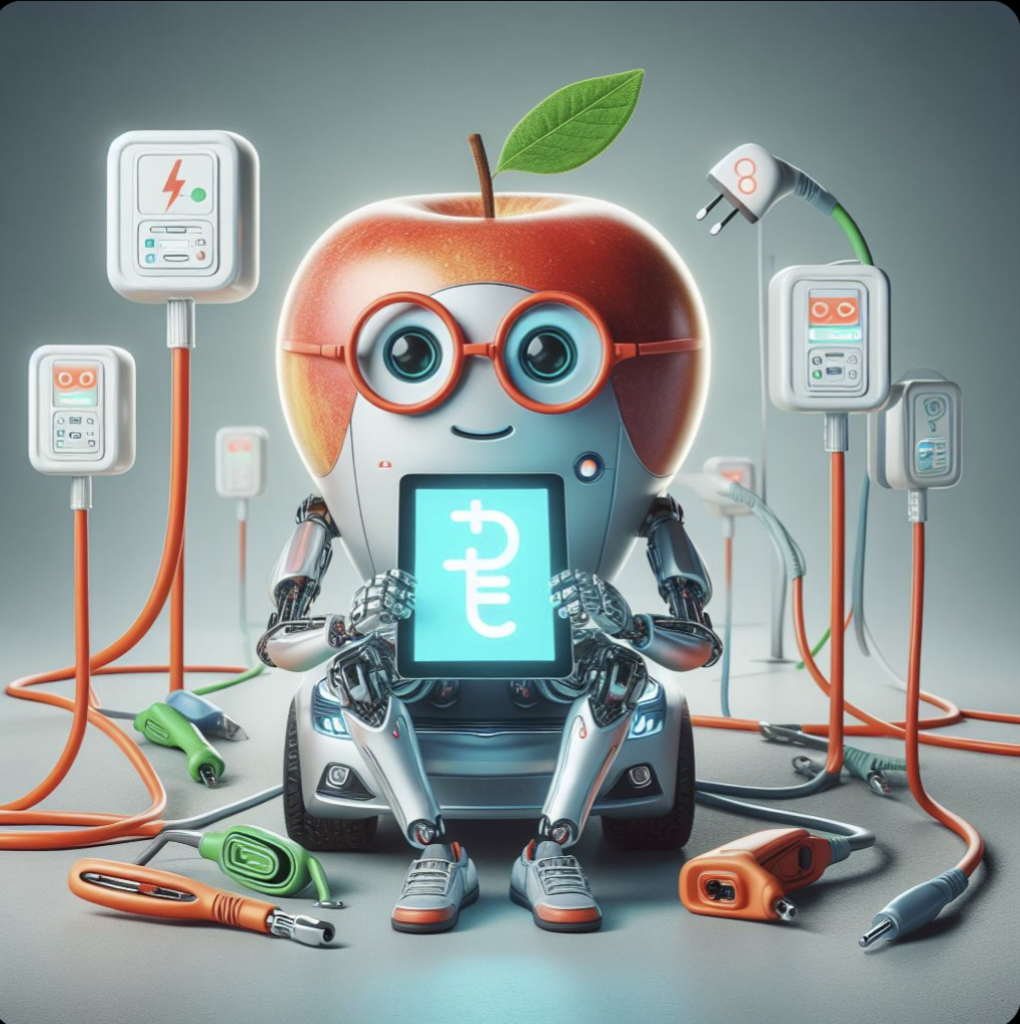
OpenELM comprises a set of small, efficient language models designed specifically for on-device use. Unlike traditional AI models that rely on cloud servers for processing, OpenELM operates directly on your iPhone, iPad, or Mac. Apple’s commitment to privacy and performance drives this move toward localized AI capabilities.
2. The Eight Models
Apple has crafted a total of eight OpenELM models, each optimized for specific tasks. These models vary in size, with parameters ranging from 270 million to 3 billion. Here’s a glimpse of what they offer:
a. Pre-Trained Models
- Predictive Power: Pre-training ensures that the model generates coherent and contextually relevant text. It learns from vast amounts of data, making it adept at completing prompts.
- Instruction Tuning: To enhance responsiveness, Apple fine-tunes the models for specific user requests. For instance, instead of merely completing a sentence, an instruction-tuned model can generate step-by-step instructions.
3. Licensing and Accessibility
Apple is making the weights of its OpenELM models available under a sample code license. Here’s what you need to know:
- Commercial Usage: You’re free to use these models for commercial purposes.
- Modification: Feel free to modify the models to suit your needs.
- Safety Disclaimer: Apple provides the models “as is,” without any safety guarantees. While they’re powerful, developers should exercise caution.
4. The On-Device Advantage
- Efficiency: By running language models locally, Apple minimizes latency and reduces dependence on external servers.
- Privacy: On-device AI means your data stays within your device, enhancing privacy.
- Performance: Despite their smaller size, OpenELM models deliver impressive performance, making them ideal for various applications.
5. The Future of AI on Apple Devices

OpenELM is a glimpse into the future of AI interactions. As Apple continues to refine and expand these models, we can expect even more intelligent and context-aware experiences across our devices.
In summary, OpenELM represents Apple’s commitment to empowering users with AI capabilities while respecting privacy and efficiency. As developers explore these models, we’re on the cusp of a new era in on-device AI. Stay tuned for exciting applications and innovations! 🍎🤖
Sources:
- Apple Offers Peek at Its AI Language Model as iOS 18 Looms
- Apple Releases OpenELM: Small Open-Source AI Models Designed to Run on Device
- Apple’s New OpenELM Offers Some Insight Into the Future of AI on the iPhone
- Apple Introduces OpenELM: Open-Source AI Models for On-Device Use
- 9to5Mac: Apple Open-Sources Models for Natural Language Processing
 Mavrik Concepts