

Abstract:
In the digital age, the grocery cart has transcended physical boundaries, evolving into a virtual basket that consumers fill with a click.
This white paper delves into the meteoric rise of online grocery shopping, propelled by the synergistic forces of e-commerce proliferation, fast-paced lifestyles, and the unforeseen global pandemic. It illuminates the multifaceted benefits of this modern shopping avenue, from the unparalleled convenience and time efficiency to the expansive product variety and potential cost savings. Concurrently, it acknowledges the inherent challenges, such as delivery logistics, order stipulations, and the sensory limitations in selecting perishables.
Peering into the horizon, the paper forecasts the transformative impact of cutting-edge technologies, including rapid delivery systems, micro-fulfillment centers, and the advent of voice-activated and automated shopping experiences. This comprehensive exploration aims to equip readers with a holistic understanding of the current landscape and the dynamic future of online grocery shopping.
Introduction:
Online grocery shopping represents a significant shift in consumer behavior, marking the transition from traditional in-store purchases to the convenience of digital marketplaces.
This white paper begins by tracing the origins of this phenomenon, from the early days of mail-order catalogs to the first online grocery transactions in the late 20th century. It examines the factors that have contributed to the growth of online grocery shopping, such as advancements in internet technology, the integration of e-commerce platforms, and the changing priorities of a fast-paced society.
The scope of this paper extends beyond a mere recount of historical events; it aims to provide a thorough analysis of the benefits and challenges that accompany online grocery shopping, as well as an insightful forecast into the innovative technologies that are poised to revolutionize the industry. By understanding where we have been, we can better navigate where we are going, setting the stage for a comprehensive exploration of the virtual aisles that increasingly define our grocery shopping experience.
Section 1: The Rise of Online Grocery Shopping
Subsection 1.1: E-commerce Influence
The ascent of online grocery shopping is inextricably linked to the broader e-commerce revolution. This subsection, titled “E-commerce Influence,” examines how the digital marketplace has reshaped the grocery industry. The convenience of online shopping, once a novel concept, has now become a staple in the lives of many consumers.
E-commerce platforms have not only expanded the accessibility of a wide range of products but have also redefined the expectations of the shopping experience. With the advent of sophisticated algorithms and data analytics, online retailers are able to offer personalized recommendations and a streamlined purchasing process, making the act of buying groceries as simple as a few clicks.
This shift towards virtual carts and checkouts has been further accelerated by technological advancements that have made online transactions both secure and reliable. As this paper will explore, the influence of e-commerce on grocery shopping is profound, setting the stage for a future where digital convenience is harmonized with the sensory satisfaction of selecting one’s own food.
Subsection 1.2: Lifestyle Changes
In the whirlwind of modern life, where time is a precious commodity, convenience has emerged as a paramount priority, particularly in the realm of grocery shopping.
The acceleration of daily routines has fueled the demand for more efficient and accessible shopping methods. Urbanization has played a pivotal role in this shift, as densely populated city environments often make traditional grocery shopping a time-consuming endeavor. With the advent of online grocery platforms, urban dwellers can bypass the congestion of city streets and the hassle of carrying bags through crowded public transport. Instead, they can enjoy the luxury of home delivery, which seamlessly fits into their bustling schedules. This evolution reflects a broader societal trend towards optimizing time management and underscores the significance of online grocery shopping as an innovative solution tailored to contemporary shoppers.
Subsection 1.3: Pandemic Acceleration
The COVID-19 pandemic has indeed had a significant catalytic effect on the adoption of online grocery shopping. Here’s a summary of the changes observed:
Online Grocery Adoption:
A study of 1,558 US households in June 2020 found that nearly 55% of respondents shopped online, with 20% being first-time users (1)
Concerns about illness increased the likelihood of consumers shopping online, while concerns about food shortages increased the frequency of online shopping (1)
A significant number of consumers, 58%, planned to continue online grocery shopping regardless of pandemic conditions (1)
Changes in Consumer Behavior:
Health and safety concerns have led to changes in consumer behavior, such as increased use of curbside pickup at grocery stores and telemedicine appointments (2)
Many of these behaviors have become habits, with consumers continuing to prioritize health and safety (2)
Technologies that enhance hygiene, like contactless activities including food and grocery delivery and curbside pickup, have seen a surge in use (3)
These shifts in consumer behavior reflect a broader trend towards digital solutions in response to the pandemic, emphasizing the importance of health and safety in everyday decisions.
Section 2: Benefits of Online Grocery Shopping
Subsection 2.1: Convenience and Time-Saving
Online grocery shopping epitomizes convenience and efficiency in the modern age. It allows consumers to effortlessly browse and purchase groceries from the comfort of their homes, eliminating the need for travel and saving precious time.
This mode of shopping is particularly beneficial for those with busy schedules, mobility issues, or those who simply prefer to avoid the hustle and bustle of physical stores. By reducing the time spent on traveling to the store and waiting in queues, online grocery shopping provides a streamlined approach to an essential task, freeing up time for other important activities or leisure. Moreover, the ability to shop at any hour adds to the convenience, catering to the varied schedules of consumers and ensuring that the pantry is always stocked with just a few clicks.
Subsection 2.2: Product Selection and Availability
The advent of online grocery shopping has revolutionized product selection and availability for consumers. It offers unparalleled access to a wider range of products than what might be available in local stores. This digital marketplace enables shoppers to compare and purchase items from multiple stores simultaneously, without the constraints of geography or store hours. Such diversity in choice empowers consumers to explore specialty items, organic produce, or international delicacies that were previously hard to find. The convenience of having a vast selection at one’s fingertips not only enhances the shopping experience but also ensures that consumers can find exactly what they need, when they need it, fostering a more personalized and satisfying grocery procurement process.
Subsection 2.3: Cost-Effectiveness
The digital landscape of online grocery shopping brings with it the advantage of cost-effectiveness.
Consumers can engage in comparison shopping with ease, scouring the internet for the best deals and discounts across various platforms. This practice often leads to significant savings as shoppers can quickly identify the most economical options without the limitations of physical store pricing.
Additionally, the online shopping experience is structured in a way that can reduce impulse buying. With no physical aisles to wander down and fewer spontaneous purchase triggers, consumers are more likely to stick to their shopping lists, leading to more thoughtful purchases and, consequently, more savings. This strategic approach to buying groceries not only helps in managing household budgets better but also encourages a more disciplined and intentional shopping behavior.
Section 3: Challenges of Online Grocery Shopping
Subsection 3.1: Additional Costs
While online grocery shopping offers many benefits, it also presents certain challenges, particularly in terms of additional costs.
Delivery fees are a common extra expense that can affect the overall pricing of groceries. These fees vary by service provider and can be a deterrent for those on a tight budget, potentially offsetting the cost savings from online deals.
Furthermore, many services impose minimum order requirements to qualify for delivery, which can influence consumer choice and shopping patterns. This stipulation may compel customers to purchase more than they need or can afford at the moment, leading to potential food waste or financial strain. These factors highlight the importance of transparent pricing and flexible delivery options to ensure online grocery shopping remains an accessible and practical choice for all consumers.
Subsection 3.2: Product Quality Concerns
One of the notable challenges of online grocery shopping is the difficulty in assessing the quality of produce.
Unlike in-store shopping, where customers can handpick fruits and vegetables, online shoppers must rely on the retailer’s choice for product selection. This can lead to concerns about the freshness and quality of the items received, as consumers are unable to use their senses to evaluate the produce directly. The reliance on retailer’s selection may result in receiving products that do not meet the shopper’s personal standards or expectations.
To mitigate these concerns, retailers must ensure robust quality control measures and offer clear, detailed product descriptions, along with flexible return policies to maintain customer trust and satisfaction in the online grocery shopping experience.
Section 4: The Future of Online Grocery Shopping
Subsection 4.1: Rapid Delivery Innovations
The horizon of online grocery shopping is rapidly expanding with the emergence of rapid delivery services. These services promise to revolutionize the industry by significantly reducing the time between placing an order and receiving groceries, sometimes to as little as a few hours.
The key to this transformation lies in the role of logistics. Advanced logistics solutions, powered by cutting-edge technology and data analytics, are streamlining the supply chain, optimizing routes, and ensuring efficient inventory management. This not only improves delivery times but also enhances the overall customer experience. As these innovations continue to evolve, they are set to redefine the expectations of convenience in online grocery shopping, making it faster and more reliable than ever before.
Subsection 4.2: Micro-Fulfillment Centers
The retail landscape is witnessing the rise of micro-fulfillment centers, a trend that is reshaping the dynamics of online grocery shopping. These localized distribution centers are strategically positioned closer to consumers, significantly streamlining the supply chain.
By reducing the distance goods need to travel, these centers contribute to faster and more efficient delivery times, meeting the growing demand for rapid online grocery fulfillment. The proximity of these centers to customers not only accelerates the delivery process but also reduces transportation costs and carbon footprint, making it a sustainable option in the long term. As this model gains traction, it promises to enhance the responsiveness of online grocery services, ensuring that customers receive their orders swiftly, thereby elevating the standard for convenience and efficiency in the industry.
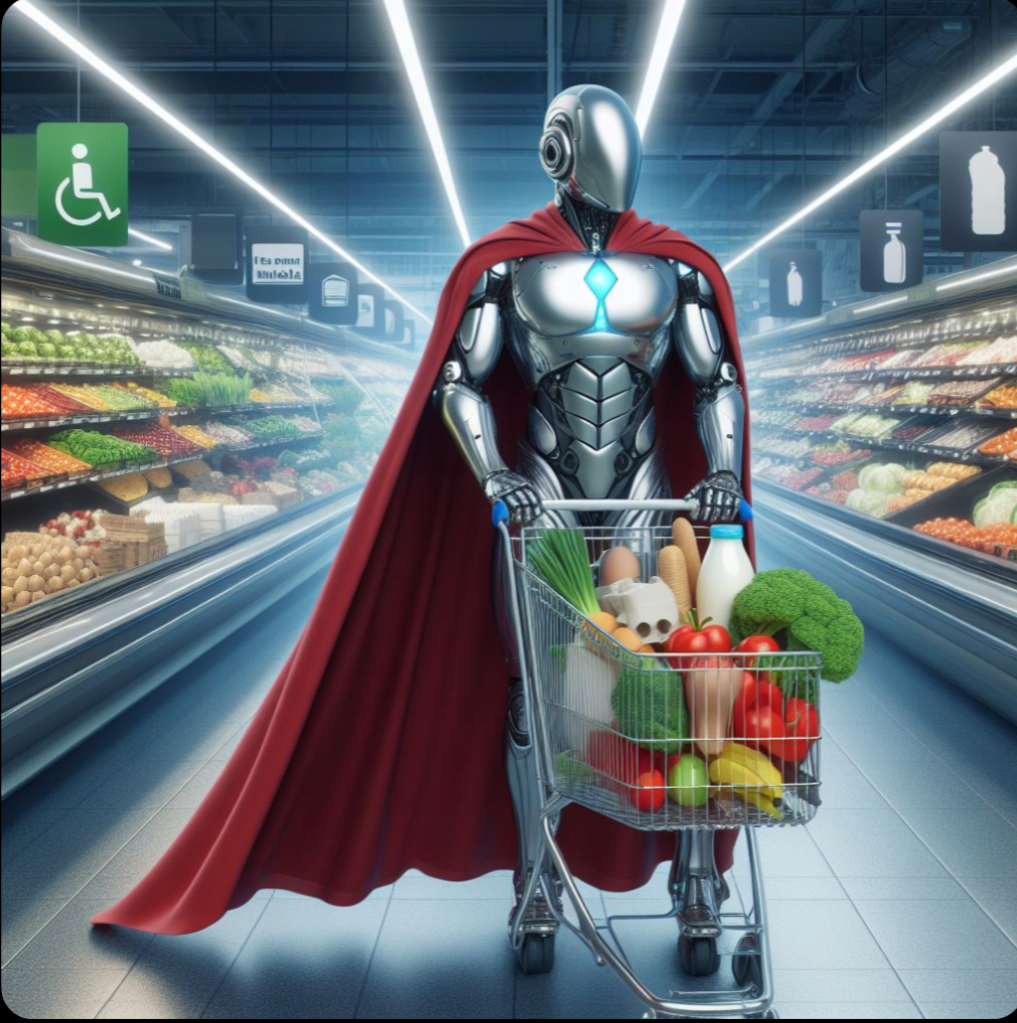
Subsection 4.3: Automation and Voice-Activated Shopping
The integration of AI and machine learning in grocery shopping is not just a futuristic concept but a rapidly unfolding reality. These technologies hold immense potential to personalize the shopping experience, predict consumer preferences, and manage inventory with unprecedented precision. As AI evolves, it can offer tailored recommendations and facilitate smarter shopping decisions, enhancing customer satisfaction.
Looking ahead, the voice-activated assistants are set to become an integral part of the shopping experience. With the convenience of hands-free commands, consumers can add items to their shopping list, place orders, and receive suggestions effortlessly.
Moreover, automated replenishment systems are on the horizon, poised to ensure that essentials are restocked before running out, based on usage patterns and predictive analytics. This seamless integration of technology promises to make grocery shopping more intuitive, efficient, and attuned to the individual needs of consumers, heralding a new era of convenience and sophistication in the domain of
Conclusion: In conclusion, the digital transformation of the grocery industry is a testament to the adaptability and innovation inherent in the human spirit.
As this white paper has explored, online grocery shopping has emerged as a beacon of modern convenience, reshaping the way we think about and engage with our daily sustenance. The journey from physical carts to virtual baskets is marked by the convergence of technology, lifestyle shifts, and global events, each playing a pivotal role in crafting a new narrative for the procurement of groceries.
The benefits of this digital evolution extend beyond mere convenience, offering a broader selection, cost savings, and a redefined shopping experience that caters to the diverse needs of a global population. Yet, it is not without its challenges, which call for continued innovation and thoughtful consideration of logistics, quality, and consumer preferences.
As we look to the future, the promise of rapid delivery, micro-fulfillment, and automated shopping experiences beckons a new era of efficiency and personalization. This white paper serves as both a reflection on the remarkable progress made and an invitation to embrace the possibilities that lie ahead, ensuring that the virtual aisles of online grocery shopping continue to flourish and meet the ever-evolving demands of consumers worldwide. The digital grocery cart, once a novel concept, is now an integral part of our lives, symbolizing the seamless integration of technology and tradition in the pursuit of nourishment and convenience.
References: A list of sources and citations used throughout the white paper.
https://phys.org/news/2022-10-online-grocery-covid-barriers-access.html
https://journals.plos.org/plosone/article?id=10.1371/journal.pone.0237900
 Mavrik Concepts