
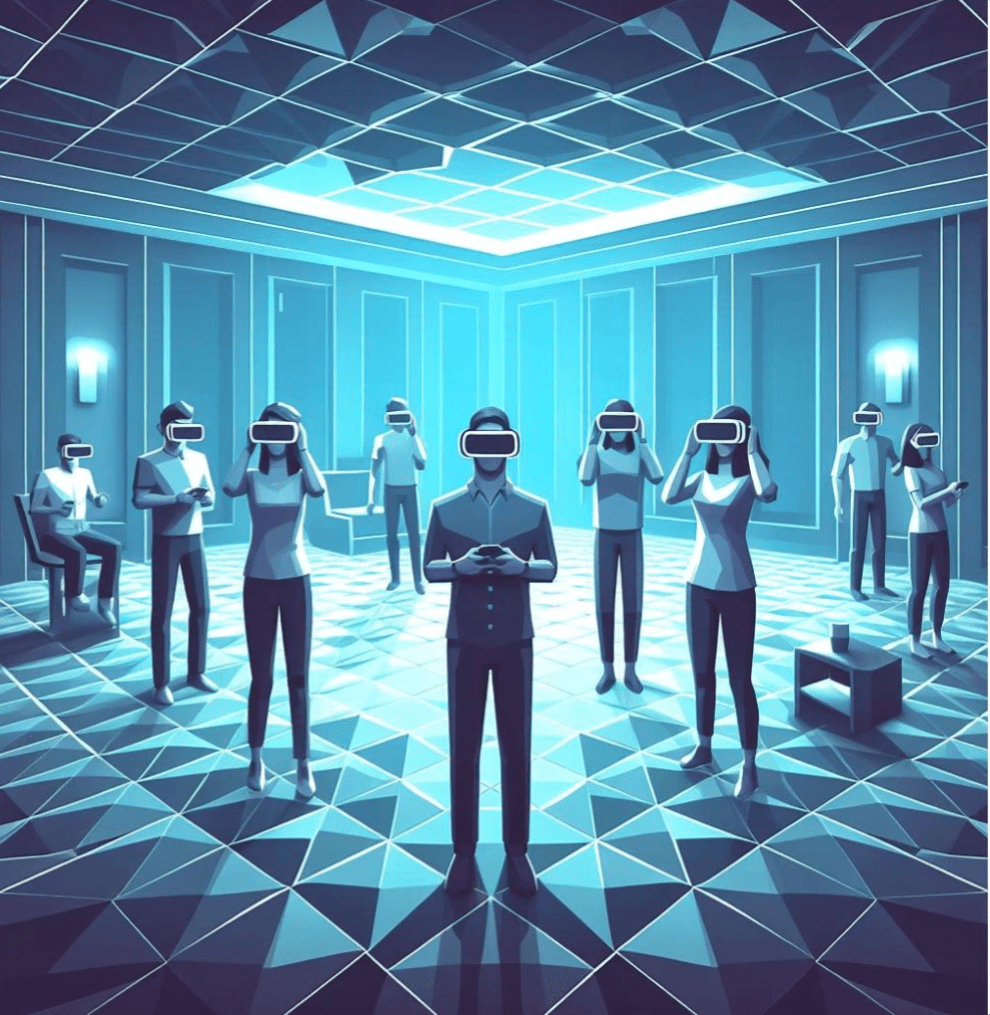
Virtual reality (VR) is one of the most exciting and innovative technologies of our time, offering immersive and interactive experiences that can transport us to different worlds and scenarios. However, VR also has some limitations, such as the need for bulky headsets, wires, controllers, and sensors, as well as the lack of tactile feedback and realistic visuals.
That’s why Disney’s HoloTile, a new invention that was recently patented, could be a game-changer for VR and entertainment. The HoloTile is a thin, flexible, and transparent tile that can display holographic images and respond to touch, sound, and motion. The HoloTile can be used to create large-scale, seamless, and interactive VR environments that can be seen and felt without any additional equipment.
The Potential Applications and Benefits of the HoloTile
The HoloTile technology could have a wide range of applications and benefits for different industries and sectors, such as:
Gaming: The HoloTile could create more immersive and realistic gaming experiences, allowing players to interact with virtual characters, objects, and environments in a natural and intuitive way. For example, players could explore a fantasy world, fight enemies, solve puzzles, and collect items using their hands, voice, and body movements. The HoloTile could also enable multiplayer and social gaming, as multiple users could share the same VR space and communicate with each other.
Theme parks: The HoloTile could enhance the attractions and rides at theme parks, making them more engaging and thrilling. For example, the HoloTile could create dynamic and interactive scenes and effects, such as flying dragons, exploding volcanoes, and falling rocks, that could react to the visitors’ actions and emotions. The HoloTile could also create personalized and customized experiences, such as allowing visitors to choose their own adventure, character, and difficulty level.
Film and TV production: The HoloTile could revolutionize the film and TV production process, reducing the cost and time of creating realistic and high-quality visuals. For example, the HoloTile could replace the need for green screens, props, sets, and actors, as it could generate any desired background, object, or character in real time. The HoloTile could also enable more creative and expressive storytelling, as it could create immersive and interactive scenes and scenarios that could adapt to the director’s vision and the audience’s feedback.
Education: The HoloTile could transform the way we learn and teach, making education more fun and effective. For example, the HoloTile could create interactive and engaging lessons, simulations, and games, that could help students learn and practice various subjects, skills, and concepts. The HoloTile could also create collaborative and inclusive learning environments, where students and teachers could interact and communicate with each other and with experts from around the world.
Health care: The HoloTile could improve the quality and accessibility of health care, making it more convenient and affordable. For example, the HoloTile could create virtual and augmented reality applications, such as telemedicine, diagnosis, treatment, rehabilitation, and training, that could help patients and health care professionals access and provide better health care services. The HoloTile could also create therapeutic and wellness applications, such as relaxation, meditation, and entertainment, that could help patients and health care professionals cope with stress, pain, and boredom.
The Challenges and Limitations of the HoloTile
While the HoloTile technology is undoubtedly impressive and promising, it also faces some challenges and limitations that need to be addressed, such as:
Cost: The HoloTile technology is likely to be expensive to produce and maintain, as it requires advanced materials, components, and software. The HoloTile technology may also require a lot of energy and bandwidth to operate, which could increase the operational costs and environmental impact. Therefore, the HoloTile technology may not be affordable or accessible to everyone, especially in developing countries and rural areas.
Scalability: The HoloTile technology may have some difficulties in scaling up and expanding, as it may encounter technical and logistical issues. For example, the HoloTile technology may have limitations in the size, resolution, and complexity of the holographic images it can display, as well as the number of users and devices it can support. The HoloTile technology may also face challenges in integrating and coordinating with other systems and platforms, such as the internet, cloud, and mobile devices.
Safety: The HoloTile technology may pose some safety risks and hazards, both physical and psychological, to the users and the environment. For example, the HoloTile technology may cause eye strain, headaches, nausea, and motion sickness, as well as confusion, disorientation, and dissociation, due to the mismatch between the virtual and the real world. The HoloTile technology may also cause accidents, injuries, and damages, due to the lack of awareness and control of the surrounding environment, as well as the potential malfunction or misuse of the technology.
User acceptance: The HoloTile technology may face some resistance and skepticism from the users and the society, due to the ethical, social, and cultural implications of the technology. For example, the HoloTile technology may raise questions and concerns about the privacy, security, and ownership of the data and content generated and shared by the technology, as well as the authenticity, credibility, and quality of the information and experiences provided by the technology. The HoloTile technology may also challenge and change the norms, values, and behaviors of the users and the society, such as the sense of reality, identity, and morality.
Conclusion
The HoloTile technology is a remarkable and revolutionary invention that could transform the VR and entertainment industry, as well as other industries and sectors, by creating immersive and interactive VR environments that can be seen and felt without any additional equipment. The HoloTile technology could have a significant and positive impact on the economy, society, and environment, by creating new opportunities, markets, and solutions, as well as enhancing the quality of life, education, and health care. However, the HoloTile technology also has some challenges and limitations that need to be overcome, such as the cost, scalability, safety, and user acceptance of the technology. Therefore, the HoloTile technology needs to be developed and deployed responsibly and ethically, with the involvement and collaboration of all the stakeholders, such as the researchers, developers, regulators, consumers, and communities.
 Mavrik Concepts